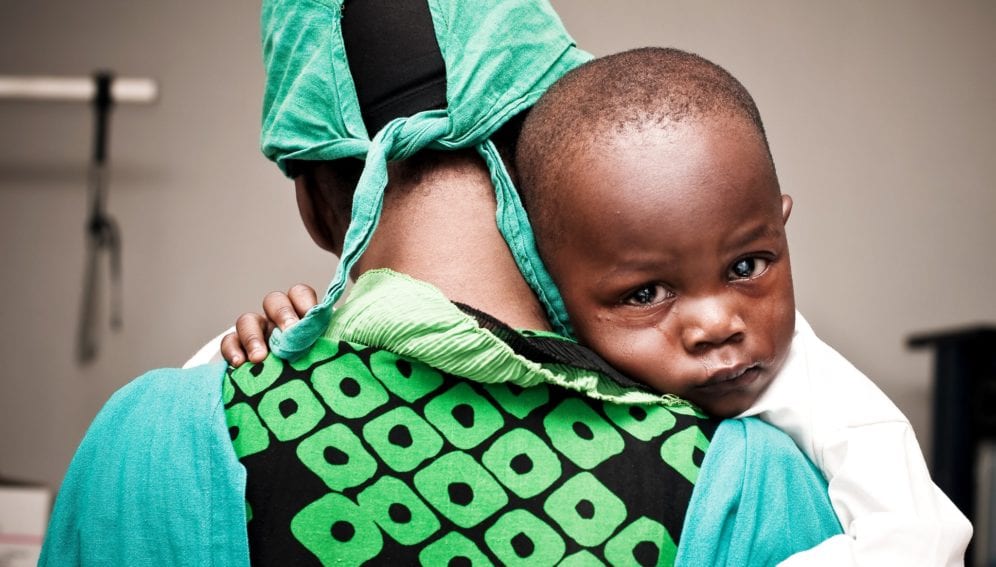
The effects of NTDs have been associated with poor educational outcomes, limited job opportunities, and social stigma on a wide scale, consequences that have trapped millions of communities in a vicious cycle of poverty and disease.
Despite the enormous human toll, there is neither a traditional market nor a coordinated strategy for expanding access to treatment for neglected tropical diseases. Globally, funding for research on NTDs has declined in each of the last four years, according to Policy Cures Research, a think tank that tracks investment in neglected disease research.
There is evidence, however, that the world can make progress on NTDs. Since 2012, when governments and civil society came together to start tackling NTDs on a global scale, public-private initiatives have helped deliver 14 billion treatments for at least one NTD, and 45 countries have eliminated one or more disease. Compared to 2010, half a billion people are no longer susceptible to NTDs.
Making additional gains, however, will require expanding access to effective and sometimes novel treatments, controlling the species of flies, mosquitoes and other vectors that transmit disease, and addressing underlying, systemic factors like poor water quality, undernutrition, and weak health systems. Carried out at scale, each of these steps would yield enormous returns.
According to the US Centers for Disease Control and Prevention, six neglected tropical diseases, including lymphatic filariasis, onchocerciasis, schistosomiasis and others, could be eliminated through expanded access to treatment and related health services. Meanwhile, a 2021 survey showed that more than half of people in African countries are impacted by water shortages or poor sanitation, showing the potential for gains by improving water and hygiene infrastructure.